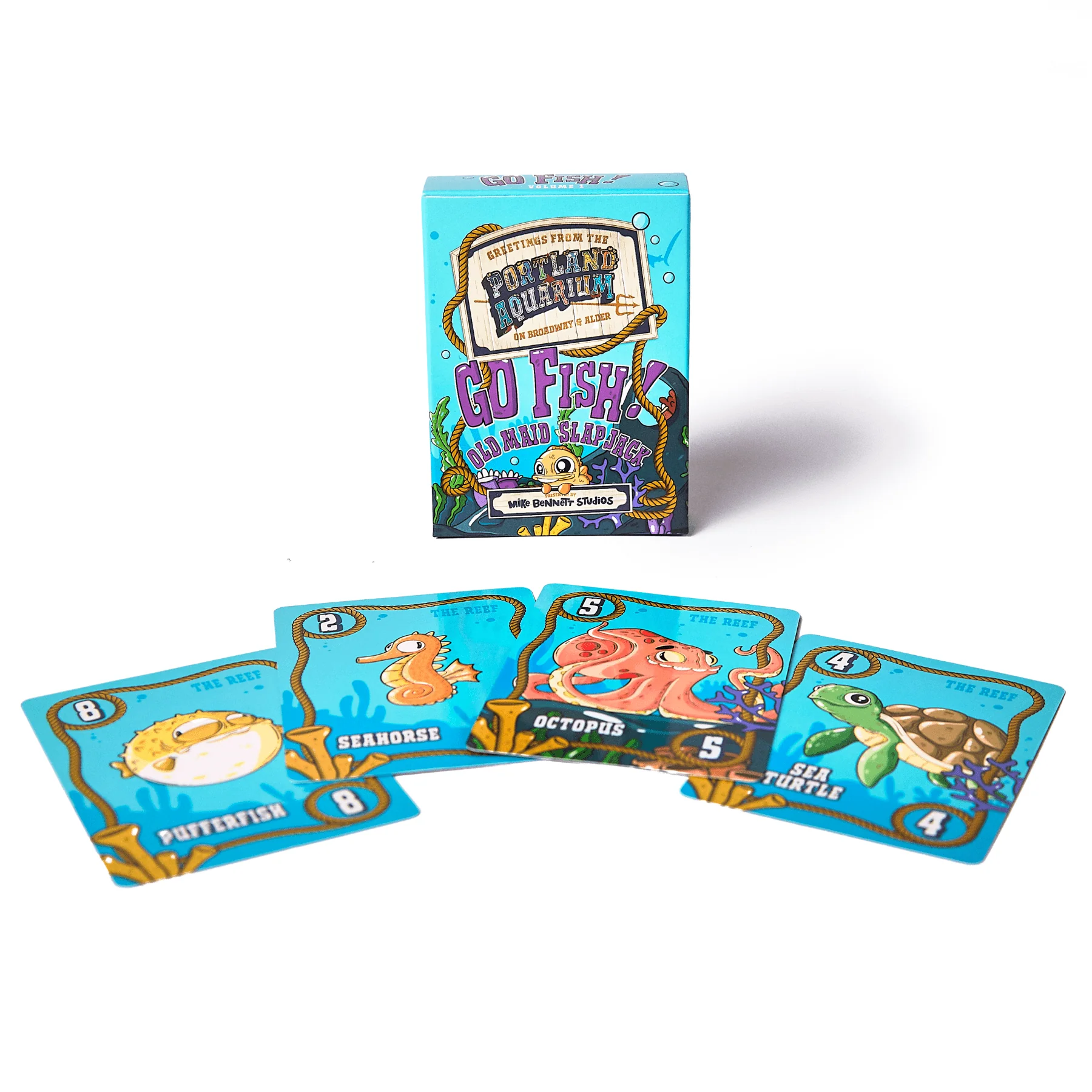
Go Fish is a perfect game when you want something simple, fun, and full of surprises. When played with 3 players, the dynamics change slightly, but the core mechanics remain the same: ask for cards, make matches, and try to get rid of your hand before anyone else. The biggest difference with 3 players is the added element of one more player’s strategy, making the game feel faster and more competitive.
If you’re wondering how to play Go Fish with 3 players, here’s the straightforward guide to setting up, playing, and winning with a three-player setup.
What you need to play Go Fish with 3 players
You’ll need a standard 52-card deck, Go Fish rules which will be shuffled and dealt between the three players.
-
Each player is dealt 7 cards.
-
The remaining cards are placed face down as the stock.
Once the cards are dealt, players do not show each other their cards but keep them face down in their hands.
The basic rules of Go Fish (for 3 players)
The goal of Go Fish is to collect books of 4 cards of the same rank (e.g., four 3s, four Kings). The game is played in rounds, and players take turns asking for specific cards. Here’s how each turn works:
1. Ask for a rank you already have
-
On your turn, you ask one of the other players if they have a specific rank of card.
-
You must already have at least one card of the rank you ask for.
-
Example: If you have two 7s in your hand, you can ask another player, “Do you have any 7s?”
2. If the opponent has the card
-
If the player you asked has one or more of the cards you requested, they must give you all of them.
-
You then continue your turn by asking another player for a card (or the same player if you’re still holding cards they gave you).
-
After a successful request, you can also place the four cards you collected in a pile in front of you as a “book.”
3. If the opponent does not have the card
-
If the player does not have the rank you asked for, they say, “Go fish!”
-
You then draw one card from the stock pile.
-
If the card you draw matches the rank you asked for, you get another turn. Otherwise, your turn ends, and play moves to the next player.
What happens when you run out of cards?
If at any point a player runs out of cards, they draw 5 cards from the stock (if there are enough cards left in the deck). If the stock is empty, players must continue with their hands until the game ends.
Making books
Once you collect four cards of the same rank, you lay them down face up in front of you. Each complete set of four cards is called a book. The game continues until all books are made.
How the game ends
The game ends when all 13 books have been completed or the stock is empty, and players no longer have cards to ask for.
Scoring (optional)
You can choose to play for a score by counting the number of books each player has at the end of the game. The player with the most books wins.
Tips and strategies for 3-player Go Fish
While Go Fish is largely a game of luck, there are a few strategies that can help improve your chances:
-
Pay attention to what’s been asked: When someone asks for a specific rank, you can use that information for future turns. If a player asks for 7s, and you know you don’t have any, you can adjust your strategy accordingly.
-
Don’t give away too much: If you can help it, don’t reveal your entire hand too early. Keep track of what your opponents have and use their responses to inform your future moves.
-
Keep track of what’s left in the stock: As the game progresses, try to count how many cards are left in the stock. If you can, try to time your requests based on the remaining cards to make the most of the last few turns.
A subtle mistake beginners make in 3-player Go Fish
One common mistake that beginners make is asking for a card that no one else is likely to have. In a three-player game, it’s easier for your request to be met with “Go Fish” if no one else has that rank. A smart habit is to ask for ranks that have already appeared earlier in the game, as it’s more likely someone still has them.
Go Fish rules for 3 players are straightforward, and it’s a fantastic option for family game night, casual play, or teaching kids how to play cards. The key to success lies in keeping track of which ranks are still in play, using memory to inform your decisions, and knowing when to ask for specific cards. Once you get comfortable with the flow of the game, you’ll be ready to add more strategy and enjoy the fun with your fellow players!